
Breaking Up with Fast Fashion: How to Make Your Clothes Last Longer
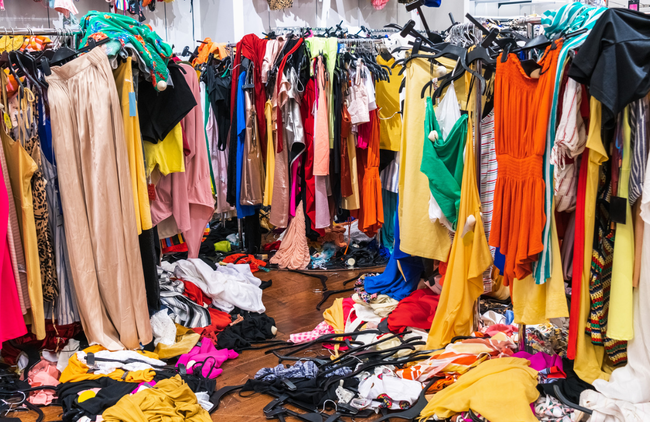
Fashion trends move faster than ever. Whether it's what type of jeans are in or simply the latest colour trend, behind the bargain prices and rapidly changing trends lies a growing problem: fast fashion.
Why Fast Fashion Comes at a Cost
The Human Impact
Many low-cost garments are produced in factories where workers are often underpaid and work long hours to meet demand. These skilled workers are essential to the global fashion industry, yet they don't always benefit fairly from the clothes they produce.
The Environmental Impact of Materials
The fabrics used in fast fashion can have a significant environmental footprint.
Polyester, one of the most common clothing materials, is made from fossil fuels. Around 70 million barrels of oil are used every year to meet global demand for polyester, and garments made from it can take hundreds of years to decompose in landfill.
Cotton might seem like the more natural choice, but it also has its challenges. Conventional cotton production often relies on pesticides and intensive farming methods. It is also incredibly thirsty, requiring between 10,000 and 20,000 litres of water to produce just one kilogram of cotton. That's roughly enough water to make around ten T-shirts.
And more recently there have been reports of super fast fashions brands like Shein are producing clothes that don't meet safety standards – for example the amount of dangerous chemicals present in garments.
Pollution and Climate Change
The fashion industry is responsible for vast amounts of greenhouse gas emissions. Producing fabrics and garments releases around 1.2 billion tonnes of CO₂ each year, making fashion one of the world's most polluting industries.
There is also the issue of microplastics. Every time synthetic clothing is washed, tiny plastic fibres can enter rivers and oceans, contributing to pollution found on coastlines and in marine environments around the world.
The Problem of Overconsumption
Perhaps the biggest issue is simply that we buy too much.
When clothes are cheap and trends move quickly, garments are often worn only a handful of times before being discarded. Lower-quality materials can also mean items don't last as long, creating a cycle of buying, replacing and wasting.
The result? Thousands of kilograms of clothing waste are generated every second.
So, What Can We Do?
The good news is that small changes to the way we shop and care for our clothes can make a big difference.
Buy Less, Choose Well
The most effective way to reduce clothing waste is to think carefully before buying something new.
Ask yourself:
Will I wear it regularly?
Does it go with other items I already own?
Is it something I'll still like next year?
Buying less doesn't mean sacrificing style. It simply means being more intentional.
Give Second-Hand a Chance
Shopping second-hand has never been easier. From online marketplaces such as Vinted and Depop to well-stocked charity shops, there are plenty of ways to find quality clothing at affordable prices.
Buying pre-loved clothing keeps garments in use for longer and reduces demand for new production.
Invest in Better Quality
When you do buy new, consider quality over quantity.
Look for durable fabrics and timeless designs that won't go out of fashion after one season. More sustainable materials such as organic cotton, linen, hemp and recycled polyester can also help reduce environmental impacts.
Make Your Clothes Last Longer
One of the simplest ways to reduce waste is to keep your clothes in use for longer.
Learning a few basic repair skills, such as sewing on a button or fixing a small tear, can add years to the life of a garment. Even simple alterations can transform an item that's been sitting unworn in your wardrobe.
Need help getting started? Download our Simple Clothing Repairs Guide or visit one of Buckinghamshire's local Repair Cafés, where volunteers can often help with textile repairs and alterations.
A simple wardrobe trick is to invest in a few versatile basics that work with lots of different outfits. A good-quality plain top, for example, can be styled in countless ways and help reduce the temptation to keep buying new clothes.

Recycling Clothes Responsibly
Eventually, there comes a time when clothing can no longer be worn or repaired. When that happens, recycling is the best option.
Clothing in good condition can be:
Donated to charity shops
Passed on to friends and family
Sold through second-hand platforms
However, many charities are now receiving more donations than they can process. Textile recycling banks provide another valuable route for unwanted clothing.
All ten Household Recycling Centres across Buckinghamshire have textile banks, where clothing and textiles are collected for sorting and recycling. Even worn-out items can often be accepted and processed for reuse in the rag industry.
Only heavily contaminated items, such as those covered in paint or oil, or single shoes and gloves without their pair, should go in the rubbish bin. Alternatively, old textiles can often be repurposed as cleaning cloths at home before disposal.
A More Sustainable Wardrobe Starts with Small Changes
Fast fashion thrives on the idea that we always need something new. But the most sustainable item of clothing is often the one already hanging in your wardrobe.
By buying less, choosing second-hand, investing in quality, repairing what you own and recycling responsibly, we can all help reduce textile waste and lessen fashion's impact on the environment.
After all, style doesn't have to be fast to look good. Sometimes the smartest fashion choice is simply making what you already own last a little longer.