
Turn Your Leftovers into Energy: Why Food Waste Recycling Matters
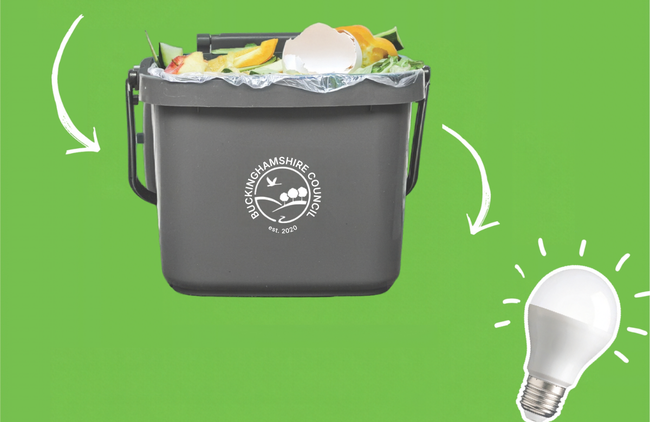
Here's a question for you: what happens to that banana peel, mouldy slice of bread or forgotten potato when it's collected from your food waste caddy? If you guessed "it gets turned into electricity", you'd be right!
When food waste is recycled separately from your general rubbish, it can be transformed into renewable energy and fertiliser, giving it a second life instead of sending it off as waste. And the good news is that almost every household in Buckinghamshire has access to a weekly food waste collection, making it one of the easiest recycling habits to adopt.
What Can Go in the Food Waste Caddy?
The short answer? More than you might think!
You can put things like:
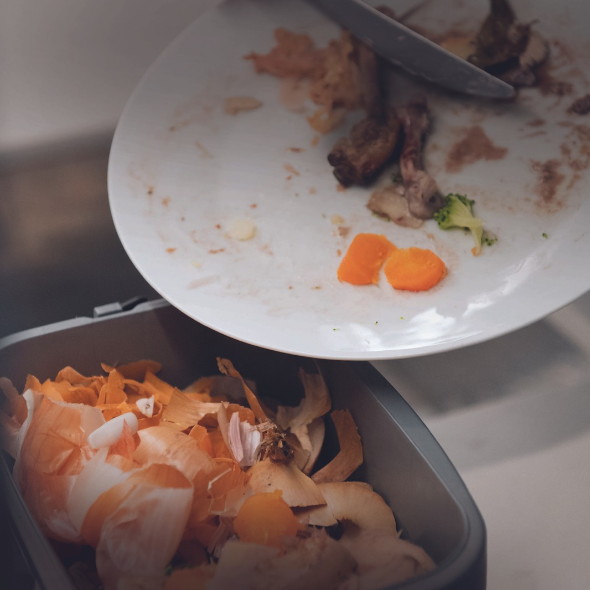
- Plate scrapings
- Fruit and vegetable peelings
- Tea bags
- Eggshells
- Meat and fish bones
- Bread, rice and pasta
- Out-of-date food
- Mouldy food
Basically, if it's food, chances are it can go in your food waste caddy.
So, What Happens Next?
Once collected, your food waste is taken to a specialist facility where it goes through a process called anaerobic digestion. Sounds complicated, but it's actually pretty clever.
Tiny micro-organisms break down the food waste in sealed tanks without any oxygen. As the food decomposes, it releases methane gas, which is captured and used to generate electricity. That electricity is then fed into the National Grid to help power homes and businesses.
And that's not all. The material left behind is packed with nutrients and can be used as fertiliser on farmland, helping farmers grow more food.
Not bad for a few potato peelings and last week's leftovers!
Why Bother Recycling Food Waste?
Of course, the best thing we can do is eat the food we buy in the first place. But let's be honest, life happens.
We've all bought vegetables with good intentions, only to find them lurking sadly at the bottom of the fridge a week later. Plans change, leftovers get forgotten and sometimes food simply goes off before we get a chance to use it.
When that happens, recycling it is the next best thing.
Food waste is a huge issue worldwide, and households are responsible for a significant proportion of it. By recycling food waste instead of throwing it into the general rubbish, you're helping turn waste into something useful rather than simply paying for it to be disposed of.
In Buckinghamshire alone, food waste that ends up in general rubbish bins costs the council around £600,000 a year in disposal costs. Money spent dealing with avoidable waste is money that could be used to support other essential local services.
"But My Food Caddy Smells..."
Let's talk about the most common reason people give for not using their food waste caddy: the smell.
It's a fair concern, but here's the thing... food waste smells wherever you put it!
Whether it's sitting in your kitchen bin or in a food waste caddy, yesterday's leftovers are still going to break down. The difference is that when food goes into the food waste caddy its collected every week and recycled into something useful.
A few simple habits can help keep odours to a minimum:
- Empty your indoor caddy regularly.
- Keep the lid closed.
- Clean it out every so often.
- Don't let food build up for days on end.
Simple, but effective.
Every Scrap Makes a Difference
Food waste recycling is one of the easiest ways to make a positive impact at home. It takes very little effort, yet helps create renewable energy, produces valuable fertiliser and can even save taxpayers money.
So next time you're scraping your plate or clearing out the fridge, remember: that food isn't just waste.
It could be helping to power homes, support local farming and contribute to a greener Buckinghamshire.
Every banana peel, tea bag and crust counts! 🍌♻️⚡
For more information about food waste recycling and what you can put in your caddy, visit buckinghamshirerecycles.co.uk.